Don't take snowflakes lightly
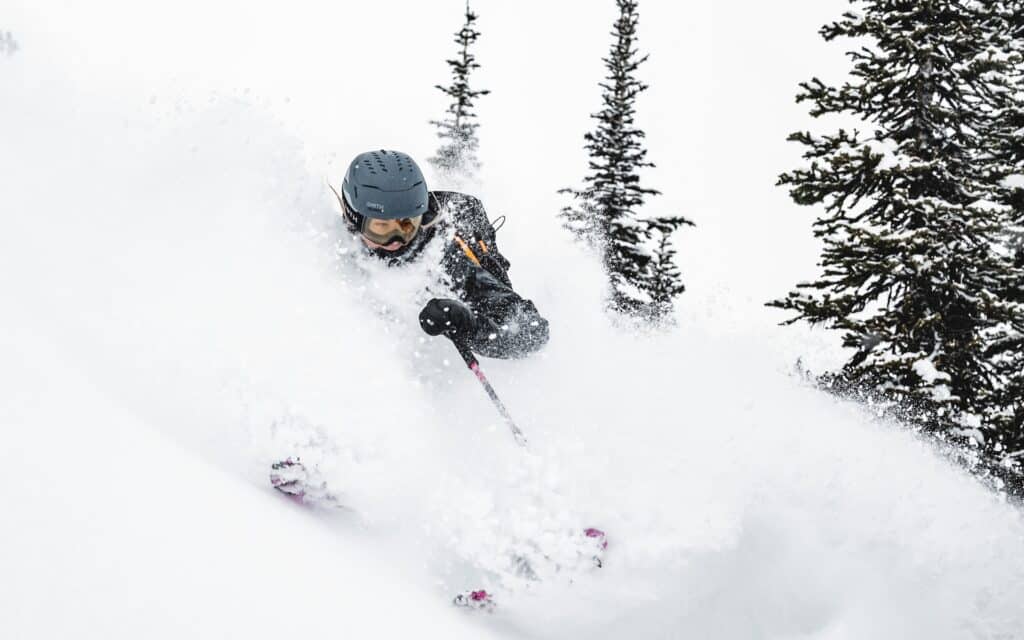
Snow might look light and forgiving, but its physical reality tells a very different story.
The density of snow changes dramatically over its lifespan. Fresh powder can be less than 100 kg/m³, comparable to the density of wool. But as snow is compacted – by grooming machines, skis, and repeated freeze-thaw cycles – it becomes far more solid.
A groomed ski slope can reach densities of around 500 kg/m³, which is roughly equivalent to timber.
In practical terms, this means that hitting the piste head-first can present similar risks to colliding with a tree.
How Ski & Snowboard Helmets Are Tested
Because snow can behave like a hard surface during a crash, ski helmets are designed and tested accordingly.
Helmets sold in Europe must meet EN 1077:2007, while those in the United States are tested to ASTM F2040 standards.
Both certifications involve impact testing using steel anvils, which have an even greater density than hard-packed snow. Helmets are dropped from defined heights to simulate real-world crash scenarios and ensure they can manage high-energy impacts effectively.
This rigorous testing reflects a simple truth: skiing accidents often involve forces far greater than people expect.
The Proven Impact of Wearing a Helmet
The data is clear – helmets save lives and significantly reduce injury severity.
According to a report published by The New York Times, wearing a helmet while skiing can reduce head injuries – including skull fractures and facial lacerations – by up to 50%.
Supporting this, another study found that only 1 in 10 people who suffered a skull fracture were wearing a helmet at the time of the accident. The overwhelming majority were unprotected.
Protecting Life in Motion
When snow becomes dense, speed increases, or terrain hardens, the margin for error shrinks fast. Understanding the true nature of snow – and the forces involved in a fall – highlights why effective head protection is essential on the slopes.
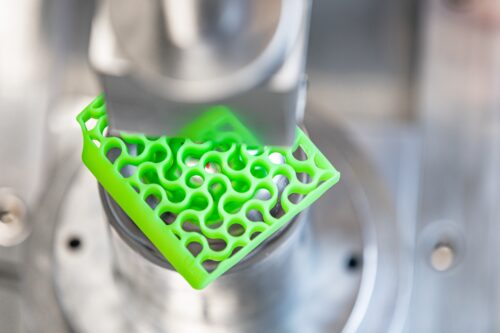
At KOROYD, we believe protection should be informed by science, tested against real-world conditions, and designed to manage the kind of impacts skiers actually experience. Because when it comes to safety, what looks soft isn’t always forgiving.
It’s no wonder that a number of countries have now made it mandatory to wear a helmet on the slopes.
Stay safe.